
As an Amazon Associate and members of other affiliate programs, we may earn a commission on qualifying purchases made through links on this page. All opinions expressed are our own, and all photos are owned by MPA Project Travels. Visit our privacy policy for more information.
Published on July 3, 2025. Last Updated on August 18, 2026.
Desert hiking is an exhilarating experience that offers a unique opportunity to explore some of nature’s most fascinating landscapes. However, the arid climate and harsh conditions in desert environments demand careful preparation and the right gear to ensure safety and enjoyment. It is important to be prepared. In this post, Buddy and I share our desert hiking gear that we bring with us on every desert hike.
Quick Links for Travel Made Easy! 🏨 Find Hotels 🚗 Rent a Car 🎫 Book a Tour
Our family loves hiking. We live in the desert and most of our family hikes are desert hikes. In fact, we recently did a post on the 15 Best Hikes Near Tucson! And we have posts on desert hikes in Arizona in near Sedona, Chiricahua National Monument, and Organ Pipe National Monument, New Mexico at Petroglpyh National Monument, and in California’s Death Valley. We have a lot of experience hiking in the desert. We know when to go, when not to go, and what to bring. And we are happy to share our desert hiking gear!

Desert Hiking Gear: 11 Must-Have Items
1. Water bottle
When embarking on a desert hike, staying hydrated is incredibly important. A large sturdy water bottle is a must for desert hiking. Considering the harsh sun and high temperatures typical of desert environments, dehydration can set in quickly without proper precautions.
Buddy and I both have large insulated water bottles that we carry with us on desert hikes. The insulation helps keep our water cool. This is important on sunny days. If you are going for longer hikes, or are not acclimated to the dryness of the desert, consider bringing along a larger hydration reservoir.
Below are our go-to water bottle for desert hikes. Buddy brings a gallon water bottle that he uses for summer band camp. Sometimes, Buddy refills my water bottle on hikes.


2. A wide brimmed hat
To protect yourself from relentless sun exposure, a broad brimmed hat is indispensable. A hat helps minimize risks of sunburns by shielding your face and neck from harmful UV rays. Keep in mind, when you hike in the desert, it is under and endless blue sunny sky.
It always amazes me when I read reviews of desert trails and I see comments about the lack of shade on the trail. I always think that hikers leaving these comments are not from the deserts. This is because deserts aren’t usually known for large trees and shaded areas.
Pro Tip: The desert is also very bright! A good pair of sunglasses is a desert hiking essential.


Because of the desert’s endless sunshine (which I love and is why I live in a desert), it is important to protect your self from the sun’s harsh rays. And this is true no matter what time of day or time of year you hike.
We are happy to share the hats we wear hiking. Buddy usually wears a baseball cap or a hiking hat (shared below) with lots of sunscreen on his neck and ears.
Speaking of sunscreen.
3. Sunscreen
The relentless sun is one of the most challenging factors in desert environments. To shield yourself from harmful UV rays, invest in high-SPF sunscreen with UV protection. Sun protection is a must when desert hiking.
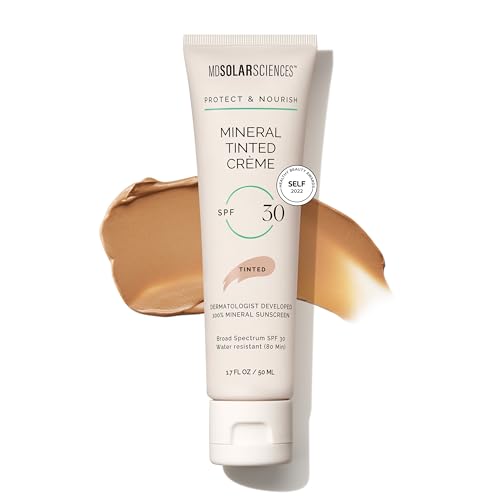
Below is our go-to sunscreen for desert hiking adventures. This sunscreen was recommended to us by Buddy’s pediatrician to protect him from the desert’s harsh sunshine as a baby. And we have been using this product ever since!
 Buy Now →
 About 5 years ago, I also began using tinted mineral sunscreen. When I hike, I use either of these sunscreens instead of any make up or foundation.

4. Layers
In the desert Southwest, temperatures fluctuate rapidly between daytime highs cooler nights. Usually, temperatures swing by an average of 30 degrees Fahrenheit. Hikers doing sunrise and sunset hikes in particular, can especially feel the temperature difference.
For this reason, we recommend bringing layers on your hike. Light jackets can jackets keep you warm during those cooler desert mornings or evenings. Or during winter hikes in cold weather. In chilly weather, I wear this North Face woman’s jacket. In the rare case of desert train, I wear a Columbia rain jacket.


Clothing made of moisture wicking fabrics is a must-have for your desert hiking clothes. These fabrics draw sweat away keeping body dry comfortable throughout trek whether in warm weather or cooler temperatures. They are perfect for desert hiking clothing.
Pro Tip: Clothing and shoes in light colors will help keep you cool on your hiking adventures!
And for additional sun protection, I recommend lightweight shirts with long sleeves and breathable fabric to provide a protective barrier against sunburns. Not only do I wear a light jacket with UPF on every hike to protect my skin. But I also wear it daily to run errands around town in Tucson in the summer.
Depending on where you hike, the cactus near the trail and the rugged terrain, long pants are optional.
 Buy Now →
 5. Hiking backpack or pack
A hiking backpack serves as both storage space for all the essentials. Look for one with multiple compartments to organize your desert hiking essentials efficiently. Lightweight hiking back packs with quick access pockets can be particularly helpful.
Below is my hiking backpack. Buddy and I can be seen wearing it on most of our hiking blog posts, YouTube, and social media.

Osprey Tempest 20L Women’s Hiking Backpack with Hipbelt, Stealth Black, WXS/S
Buy Now →I love the Osprey brand because they offer a lifetime warranty. Buddy ripped the back of the backpack hiking the very slippery Birthing Cave in Sedona. Osprey repaired our bag free of change before our next hiking trip.
6. A first aid kit
Safety on the trails is important! And a small first aid kit with band-aids, antiseptic wipes, gauze pads, and tweezers are important. We always carry one with us on the trails. It is essential for desert hiking trips.
 Buy Now →
 And good thing too, because when Sal stepped on a tiny baby cholla (more on that later), we used the tweezers to pull the cactus needles out of his foot. Yes, the cactus spines went through the bottom of his shoe. The first aid kit was a life saver!
Pro Tip: Review the 7 Principles of Leave No Trace withe the kiddos so that they are well prepared before heading out on your family camping adventure.
7. Sturdy hiking shoes and comfortable socks
Proper footwear is important for a desert hiking adventure. Just because it is warm outside does not mean sandals or flip flops are a good idea. Especially given all the cactus and desert creatures that sting!
Sturdy hiking footwear and hiking socks are essential to desert hiking clothing. Choose high-quality moisture wicking socks alongside breathable yet durable hiking boots offering ankle support necessary traversing the sand and rocks of the desert.


I wear either these Merrell hiking shoes and Buddy wears these Merrell Hiking Boots (also sharing photos below). Please note that we do not recommend hiking sandals for desert hiking footwear. This is because cholla babies can fall into the trail and stepping near one of those can be painful! It was painful for Sal and he was wearing hiking boots. In sandals it would have been much worse!
Also essential for a desert hiking trip are comfortable socks! I love merino wool socks for all hiking adventures.
 Buy Now →
 8. Electrolytes
Because of the dry desert heat and the real possibility of dehydration, even in mild temperatures, electrolytes are hiking essentials. Pack electrolyte tablets or powders which dissolve easily into water bottles whenever needed. Sal always has these on hand. And if we are traveling or hiking when it is extra hot, we will also have cold bottles of Electrolytes waiting for us in the car in an ice cold cooler.
 Buy Now →
 9. Headlamps or flashlights
If you are doing a sunrise or sunset hike, a headlamp or flashlight to help illuminate the trails are important.


While we always pack a back up flashlight and batteries, we prefer using headlamps to keep our hike hands free. And we usually use the headlamps in the red light setting to be mindful of wildlife. If you do a guided sunset hike at Saguaro National Park, the rangers will also recommend bringing flashlights with a red light setting.
10. Lip Balm with SPF
It is dry in the desert. Lip balm to keep the lips moisturized is a must. Because of how dry it is in the desert, I always keep at least two lip balms on me at all times. This is even when I am not hiking!
 Buy Now →
 Many friends who visit the desert from more humid climates often comment on how dry their lips become. So bring a lip balm and make sure it has SPF to protect your lips from the sun.
11. Bear bell, a whistle, or bear spray
A bear bell? In the desert?
Yes, despite the harsh environment, the desert is teeming with wildlife. While we might be delighted to see birds, lizards, and perhaps even a tarantula on the trail, there are bigger animals too. There are mountain lions, coyotes, and javelina. And if you hike further up in the mountains, there are black bears. Wearing a bear bell lets the wildlife know you are near so they can avoid you just as much as you avoid them.
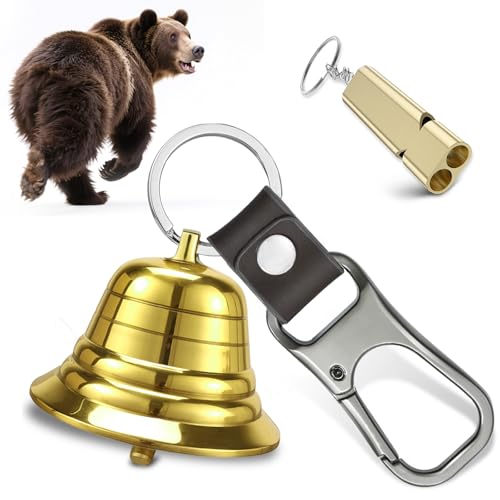

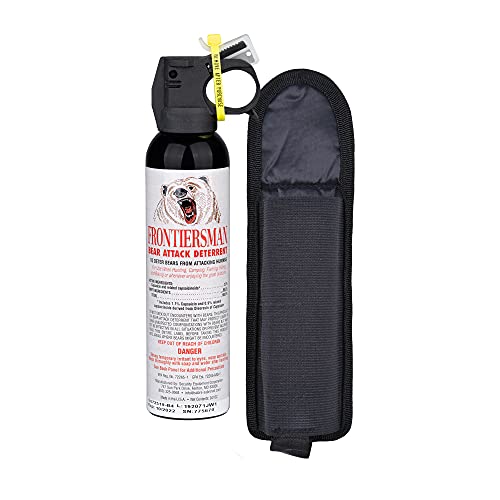
We do carry a bear bell, two whistles, and bear spray on our desert hikes. While hiking the deserts in and around the mountains in Tucson, we have come across black bears. And we have seen mountain lions on the trails in both Southern Arizona and New Mexico.
Pro Tip: Get a whistle that also serves as a compass and thermometer!
If you are going to carry bear spray, make sure you read the directions and know how to use it.
Bonus Tip: Bring offline maps
Always bring offline maps when desert hiking. Sometimes the paths on sandy trails or rocky trails are not clear and it can get confusing. Offline maps are especially helpful with navigation.
I did get turned around on a trail in the Tortolita mountains. Luckily, I downloaded the trail map on my phone and that helped me find my way back to the trail I was supposed to be hiking for the challenge. I was hiking a different (and much longer) trail!
Pro Tip: If you downloaded offline maps, bring a portable changer!
A Teenager’s Perspective
Buddy says, “When hiking, I would personally recommend to take a lot of photos, so make sure to bring a camera (or your phone!).
I pretty much agree with mom about what to bring to a hike. Because trust me, water is important. As well as sunscreen, and bear spray, But I digress. If this is your first and only time hiking in the desert, it is important to make the most of it.”

Final Thoughts on desert hiking gear
As you lace up your boots and prepare for your next great desert adventure, make sure to pack accordingly. Take it from two desert dwellers and hikers, respect the sun, the desert and her wildlife, and come prepared. So, pack up your essential gear and let the adventure unfold in the breathtaking beauty of the desert. And one last tip, never hike in the desert heat of a hot summer day!
FOLLOW US!
Are you hiking in the desert? If so, where? Which hiking trail should we explore next? Let us know in the comments below!
Do you have questions about family travel or traveling with teens? Feel free to reach out! We are happy to chat and share our experiences and look forward to connecting with you.
Pin this post for later!
If you enjoyed reading this, check out these blog posts!
- 15 Best Hikes Near Tucson: The Ultimate Guide
- 7 Simple Tips for a Sunset Hike at Saguaro National Park East
- The Beautiful Saguaro National Park East: Helpful Tips for Hiking
- 3 Simple Tips for Hiking Beautiful Devil’s Bridge in Sedona
Traveling to the desert?
Compare prices on Expedia and Booking.com!
Rent your car today! Compare prices on Rentalcars.com and DiscoverCars!

Hello! We are Yvonne & Buddy and we create family travel blogs based on firsthand knowledge and experiences of a destination. Our goal is to inspire teens, parents, and families to share time together engaging in new experiences whether the destination is near or far from home. Come join us on our travels!

Discover more from MPA Project Travels
Subscribe to get the latest posts sent to your email.

Great Ideas for travellers every precautions are must before hiking.